
What Does It Mean to Be an Incorporated Company?
What does it mean to be an incorporated company? In short, it is a business legally registered as a person separate from the people who own and run it. A company can own property, enter contracts, borrow money and sue or be sued in its own name. In a company limited by shares, shareholders' liability is generally limited to what remains unpaid on their shares.
In Sri Lanka, incorporation is governed by the Companies Act No. 7 of 2007. The form you choose affects ownership, liability and how the business is managed.
Read the Companies Act and its amendments on the Department of the Registrar of Companies website. View the Companies Act
Types of company in Sri Lanka
- Private limited company — usually ends in ‘(Private) Limited’ or ‘(Pvt) Ltd’. Shares are not offered to the public, and the number of shareholders is limited.
- Public company — can have a wider shareholder base; a public company that meets listing requirements may list its shares on a stock exchange.
- Company limited by guarantee — has members instead of shareholders and no shares. Members undertake to contribute an agreed amount if the company is wound up; often used for associations and non-profits.
- Unlimited company — shareholders' liability for the company's debts is not limited in the same way as in a company limited by shares.
- Offshore company — a company incorporated abroad and registered in Sri Lanka to carry on business outside Sri Lanka, subject to the applicable rules.
- Overseas company — a company formed outside Sri Lanka that registers a place of business in Sri Lanka under the applicable rules.
Forming an association or non-profit? A company limited by guarantee follows a different ownership structure from a private company.
Explore guarantee companiesWhat does it mean when a company is incorporated?
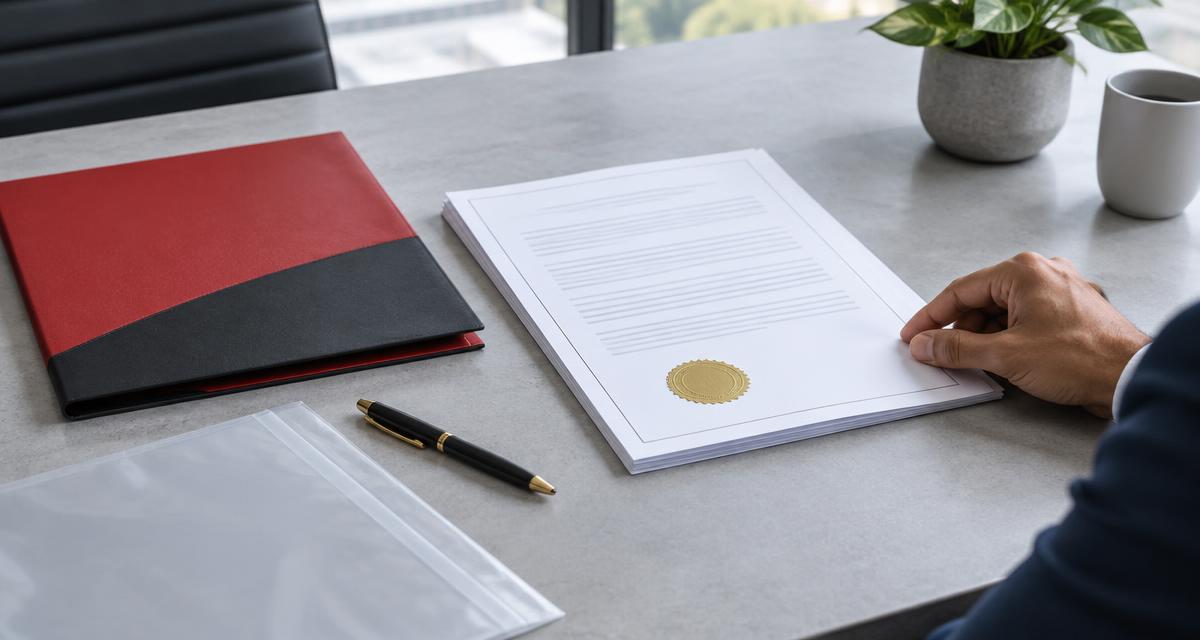
Incorporation turns a proposed business into a legal entity. Once the Registrar of Companies issues the Certificate of Incorporation, the company has its own legal identity. In practice, this provides several important features:
- Separate legal personality — the company's contracts, bank accounts, assets and debts belong to it, rather than automatically to its directors or shareholders.
- Limited liability in a company limited by shares — shareholders are generally liable only for amounts unpaid on their shares, although personal guarantees or misconduct can create separate liability.
- Continuity — the company can continue despite changes in directors or shareholders.
- Access to capital — a company limited by shares can issue shares to bring in investors, subject to legal requirements.
- Business credibility — a registered company may help when dealing with banks, clients and counterparties.
These advantages come with duties: maintaining statutory records, filing annual returns, appointing a company secretary and keeping applicable ownership records up to date. Share registers apply to companies with shares, not guarantee companies.
Incorporated vs unincorporated business
A sole proprietorship or ordinary partnership registered under a business name is not a separate legal person in the same way as a company. The owner or partners generally remain personally liable for business debts. An incorporated company owns its assets and liabilities in its own name and continues independently of changes in ownership.
A sole proprietorship can be simpler to run, while a company offers a clearer structure for bringing in owners, transferring shares (where applicable) and managing larger contracts. A company also has more ongoing filing and record-keeping obligations. The right choice depends on the business and the liability its owners are willing to assume.
How to incorporate a company in Sri Lanka
A private limited company is registered through the Registrar of Companies' eROC system. The main steps are:
- Reserve a unique company name ending in ‘(Private) Limited’ or ‘(Pvt) Ltd’.
- Prepare the incorporation paperwork, including Form 1, director consent (Form 18), secretary consent (Form 19) and the Articles of Association.
- Appoint a company secretary. The eligibility rules depend on the company and the proposed secretary; a sole director cannot also serve as secretary.
- Provide the required beneficial ownership and authorised-person information, including applicable BO 01 and BO 05 filings.
- Submit the documents and pay the applicable government fees. The Registrar issues a Certificate of Incorporation once the registration is approved.
- Complete post-incorporation tasks such as share records and certificates, statutory books, tax registration and opening a bank account as applicable.
For a private company, you will generally need at least one director, one shareholder (the same person may fill both roles), a registered office in Sri Lanka and identity documents for the people involved. Requirements can differ for other company types and foreign investors.
How much does it cost and how long does it take?
eSecretary estimates approximately 20 working days from document submission for incorporation, though approvals and document readiness can affect the timing. Fees depend on the company type, the people involved and optional services. Our company registration page sets out the current package and estimate; guarantee companies and associations have a separate service.
See what is included and get an estimate for private-company incorporation.
View company incorporation packagesReady to incorporate your company?
Incorporation gives a business a legal identity of its own. E-Law Solutions (Pvt) Ltd helps businesses register and maintain companies through eSecretary. If you are planning to incorporate, tell our team about your proposed business and we can discuss the next steps.
Have a question about registering your company? Send your details to our team.
Contact eSecretaryThis article is general information and not legal or tax advice. For advice about your circumstances, please speak to a qualified adviser.
Frequently Asked Questions
Posted by
eSecretary Editorial Team